A cooler bag may look simple from the outside, but in temperature-sensitive industries, it plays a critical role. From food delivery and pharmaceuticals to vaccines and medical supplies, best cooler bags are essential for maintaining product quality, safety, and compliance during short-distance transport and last-mile delivery.
In this guide, we’ll explain what a cooler bag is, how it works, its key uses, and why businesses rely on professional-grade cooler bags instead of ordinary insulated bags.
What Is a Cooler Bag?
A cooler bag is an insulated, portable storage solution designed to maintain a specific temperature range for perishable or temperature-sensitive items.
Unlike regular bags, best cooler bag is built with:
- High-density insulation
- Thermal linings
- Sealed zippers or closures
- Compatibility with ice packs or gel packs
Their purpose is simple but crucial:
Keep products cold (or cool) for a defined period without powered refrigeration.
How Does a Cooler Bag Work?
A cooler bag works by slowing down heat transfer between the contents and the external environment.
Key Working Principles:
- Insulation layer reduces heat exchange
- Reflective inner lining reflects thermal energy
- Cold packs or ice packs provide cooling energy
- Sealed construction prevents temperature leakage
When used correctly, a quality cooler bag can maintain safe temperatures for several hours, depending on:
- External temperature
- Bag quality
- Cooling medium used
- Frequency of opening
Common Uses of Best Cooler Bag
1. Pharmaceutical & Medical Transport
A cooler bag is widely used for:
- Vaccines
- Insulin
- Diagnostic samples
- Medicines requiring 2°C–8°C
They are especially critical for:
- Clinics
- Pharmacies
- Mobile vaccination programs
- Last-mile healthcare delivery
2. Food & Beverage Delivery
Restaurants, caterers, and food delivery services use best cooler bags to:
- Keep food fresh
- Prevent spoilage
- Maintain food safety standards
This is essential for:
- Dairy products
- Frozen food
- Fresh produce
- Ready-to-eat meals
3. Cold Chain Last-Mile Logistics
In cold chain logistics, best cooler bag act as:
- A buffer during short transport
- A backup during loading/unloading
- A solution where refrigerated vehicles are not practical
Types of best cooler bags
1. Soft Insulated best cooler bags
- Lightweight and flexible
- Ideal for short trips and food delivery
- Easy to carry and store
2. Medical-Grade best cooler bags
- Designed for pharmaceuticals and vaccines
- Higher insulation performance
- Often used with temperature loggers
3. Heavy-Duty Commercial best cooler bags
- Larger capacity
- Reinforced material
- Used in logistics, catering, and professional delivery
Why Businesses Choose Professional best cooler bags
1. Temperature Protection
Professional best cooler bags provide:
- Stable temperature control
- Reduced risk of spoilage
- Better cold retention than consumer bags
2. Cost-Effective Cold Chain Solution
Best cooler bags:
- Reduce reliance on powered refrigeration
- Lower fuel and equipment costs
- Are ideal for short-distance and last-mile delivery
3. Mobility & Flexibility
They are:
- Easy to carry
- Suitable for motorcycles, vans, and hand delivery
- Perfect for urban and remote areas
4. Compliance & Safety
In regulated industries, proper best cooler bags help meet:
- Food safety standards
- Healthcare handling guidelines
- Cold chain best practices
Best Cooler Bags vs Refrigerated Transport
| Feature | Cooler Bag | Refrigerated Vehicle |
| Power required | No | Yes |
| Best for | Short trips / last mile | Long haul |
| Cost | Low | High |
| Flexibility | High | Limited |
| Setup time | Immediate | Requires planning |
Many cold chain operations use both together for maximum reliability.
How RWT Supports Cooler Bag Solutions
At RWT, high-quality cooler bags are part of a complete cold chain ecosystem. We help businesses choose the right solution based on:
- Product type
- Temperature range
- Delivery distance
- Compliance requirements
Our cold chain solutions combine:
- best cooler bags & thermal packaging
- Cold boxes & mobile refrigeration
- Temperature monitoring
- Cold chain logistics expertise
Best Practices for Using a Cooler Bag
- Pre-cool the bag before use
- Use the correct number of ice or gel packs
- Minimize opening time
- Avoid overloading
- Monitor temperature for sensitive items
Following these steps significantly improves temperature retention.
Frequently Asked Questions (FAQs)
1. How long can a cooler bag keep items cold?
Depending on quality and usage, a cooler bag can maintain temperature from 2 to 12 hours.
2. Can best cooler bags be used for vaccines?
Yes, medical-grade best cooler bags are commonly used for vaccine and pharmaceutical transport.
3. Are the best cooler bags suitable for frozen items?
Yes, when used with sufficient ice packs or gel packs.
4. Is a cooler bag enough for cold chain logistics?
For short distances and last-mile delivery, yes. For long-distance transport, refrigerated vehicles are recommended.
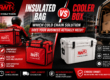
5. What is the difference between a cooler bag and a cold box?
The best cooler bags are flexible and lightweight, while cold boxes are rigid and offer longer temperature retention.
Conclusion
A cooler bag is more than just an insulated bag—it’s a critical tool in modern cold chain, food delivery, and healthcare logistics. When chosen and used correctly, it helps businesses protect product quality, reduce losses, and deliver with confidence.
For companies handling temperature-sensitive goods, the best cooler bag is a simple, cost-effective, and reliable solution—especially when backed by expert cold chain support from RWT.
If your business needs reliable cooler bag or cold chain solutions, RWT is here to help you move temperature-sensitive goods safely and efficiently.